The Overlooked Link Between Neck Pain and Headaches
Most people think headaches start “in the head.”
But for many chronic sufferers, the real problem is in the neck, particularly where the head and neck meet.
I see this all the time in my practice. A patient walks in because their neck feels stiff or sore, but they casually mention, almost as an afterthought:
“Oh, and I get headaches a few times a week… but that’s just stress, right?”
A few weeks later, once we correct their upper cervical alignment, the neck pain improves, and suddenly the headaches they’ve lived with for years begin to fade too.
They look surprised.
But I’m not.
The neck and the head are deeply connected, and when the top of the spine is out of alignment, the body compensates in ways that can directly trigger headaches and migraines.
Let’s break down why this happens, how you can recognize it, and what you can do about it.
The Neck Pain and Headache Connection: Why It’s More Common Than You Think
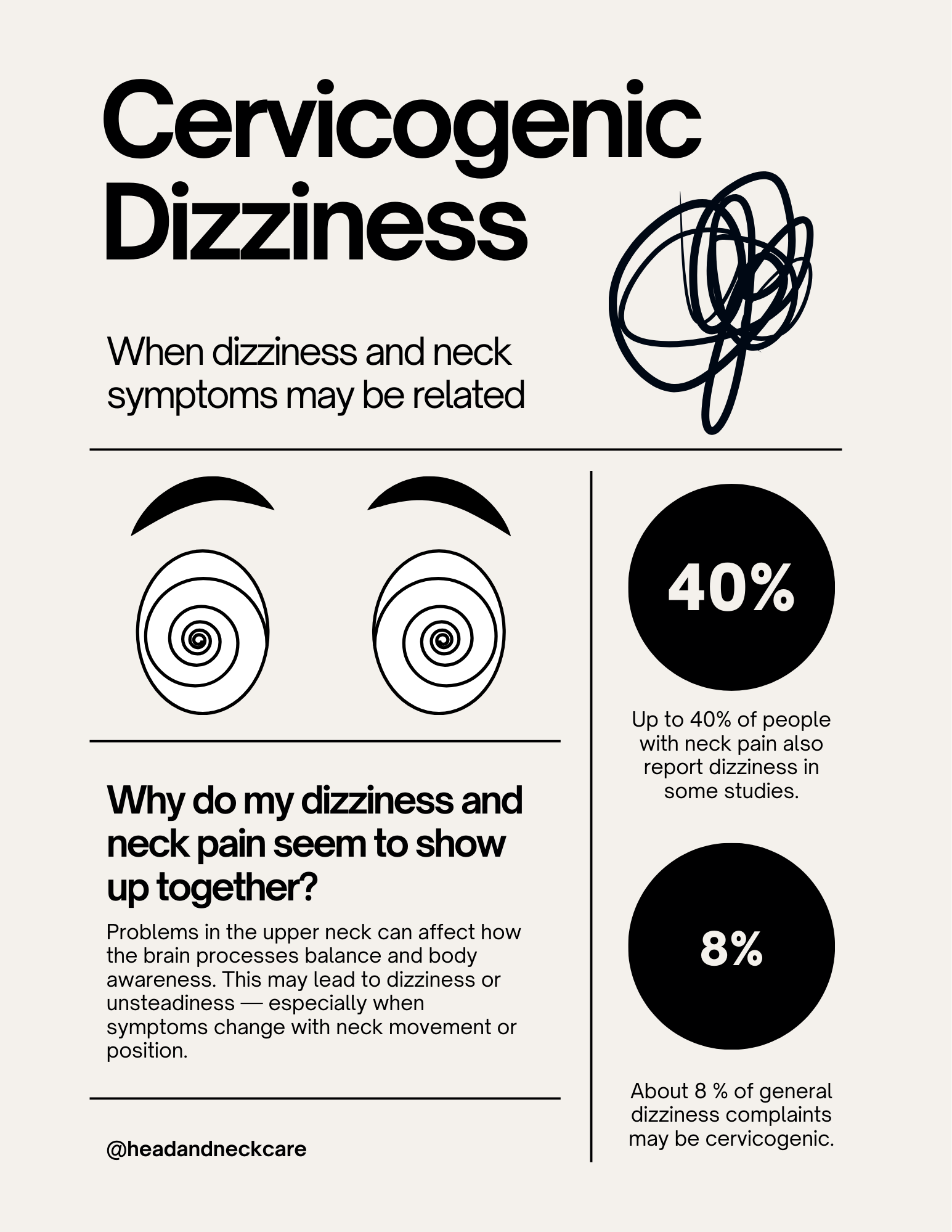
Research shows that a large percentage of headaches actually come from issues in the cervical spine, particularly the top two vertebrae (C1 and C2).
This type of headache is known as a cervicogenic headache.
But even migraines, typically thought of as neurological, have strong links to the neck.
According to the American Migraine Foundation, neck pain is one of the most common migraine symptoms, and many patients experience neck stiffness or tightness before the migraine fully begins.
Why? Because the upper neck plays a central role in:
- Muscle tone
- Nerve sensitivity
- Posture
- Blood flow
- Brainstem function
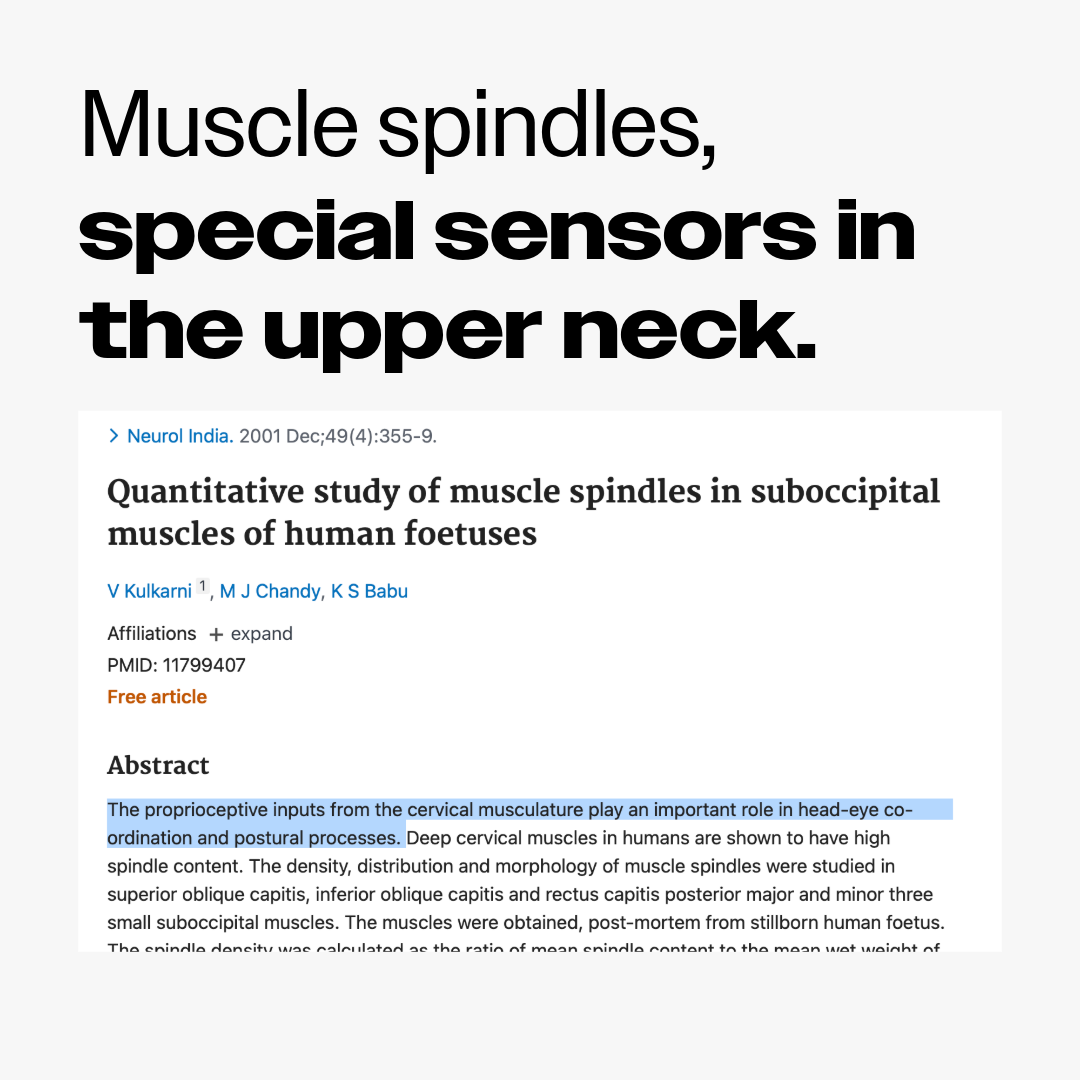
When the neck loses its normal alignment or motion, the nerves and muscles around the head become more sensitive and more likely to trigger pain.
How the Upper Cervical Spine Affects Headaches
Imagine the head balancing on a small, delicate ring (the atlas, or C1). If that ring shifts even a few millimeters out of place, the entire body compensates. Muscles tighten. Posture tilts. The nervous system becomes stressed.
Here’s what can happen:
1. Muscles at the base of the skull tighten.
When these suboccipital muscles become hyperactive, they can refer pain into:
- The temples
- Behind the eyes
- The forehead
- The back of the head
Many patients describe it as a tight band or pressure.
2. Irritation of the trigeminocervical complex
This is the neurological “crossroad” where neck nerves and headache pathways meet. When the neck becomes irritated, these headache pathways activate more easily.
3. Restricted blood flow and lymphatic drainage
Poor neck alignment can affect circulation to and from the head, especially through the vertebral arteries and jugular veins. This can worsen migraines or cause pressure-type headaches.
4. Altered posture → mechanical stress
Screen time, working from home, long commutes. We are all guilty.
Forward-head posture increases the load on the neck and strains the joints that connect directly to the skull.
Over time, this becomes a “sensitized system” where the brain overreacts to normal stimuli, creating frequent headaches.
The Patient Who Didn’t Expect Her Headaches to Change
One of my recent patients came in for neck and upper back pain. She had no expectation that anything else would improve.
But she had suffered from migraines for years. Visual aura, nausea, sensitivity to lights.
These kinds of symptoms shut down her day.
Just to get through the day, she takes the pill hoping it reduces the pain.
After correcting her upper cervical alignment using NUCCA, she said something powerful:
“I didn’t even come for my migraines… but they got better before my neck did.”
This experience isn’t rare.
When the top of the spine is corrected, the body often becomes less irritated, less tense, and less reactive.
The neck quietly “feeds” the headache pathways — so fixing the neck often calms the headaches.
When Should You Suspect Your Headaches Are Coming From Your Neck?
You should consider a neck-related cause if:
- You also have neck stiffness, tightness, or soreness
- Your headache starts at the base of the skull
- You notice one-sided pain
- Your headache worsens after sitting, driving, or working at a computer
- You’ve had whiplash, a fall, or a past injury
- Massages help temporarily but symptoms return
- You feel pressure behind the eyes
- You hear neck “cracking” or grinding
- Migraines start with neck tension
Many patients overlook these signs because they seem “normal.” They are common, but not normal.
How NUCCA and Upper Cervical Chiropractic Can Help
NUCCA is a gentle, precision-based form of upper cervical chiropractic that corrects misalignment of the atlas (C1). There is no cracking, twisting, or popping, but we use precise x-rays and measurements to restore alignment.
When the head and neck return to a balanced position:
- Neck muscles relax
- Nerves become less irritated
- Blood flow improves
- Posture normalizes
- The body becomes calmer and more efficient
Patients often report:
- Fewer headaches
- Less neck and shoulder tension
- Better sleep
- More mental clarity
- Less migraine frequency or severity
While not every headache is neck-related, many are — and the upper cervical spine is often the missing piece.
Head & Neck Spinal Care in Northwest Suburbs of Chicago
If you experience recurring headaches or migraines, your neck deserves more attention than you think.
You don’t have to “just live with it.”
You don’t have to keep guessing.
And you don’t have to wait until it becomes severe.
A proper upper cervical evaluation can reveal whether misalignment is contributing to your symptoms. If you’re curious, concerned, or simply tired of dealing with headaches, consider getting your neck checked.
Dr. Wontaek Hwang is a NUCCA chiropractor providing a personalized solution for brain and spine disorders in Wheeling and Northbrook, IL. Please visit at headandneckcare.com or call us at (847) 497-5003 for scheduling an initial consultation.