

Why People Choose NUCCA Care+
NUCCA Care is a lesser-known approach in healthcare, yet it plays a vital role in how the body functions and stays balanced.
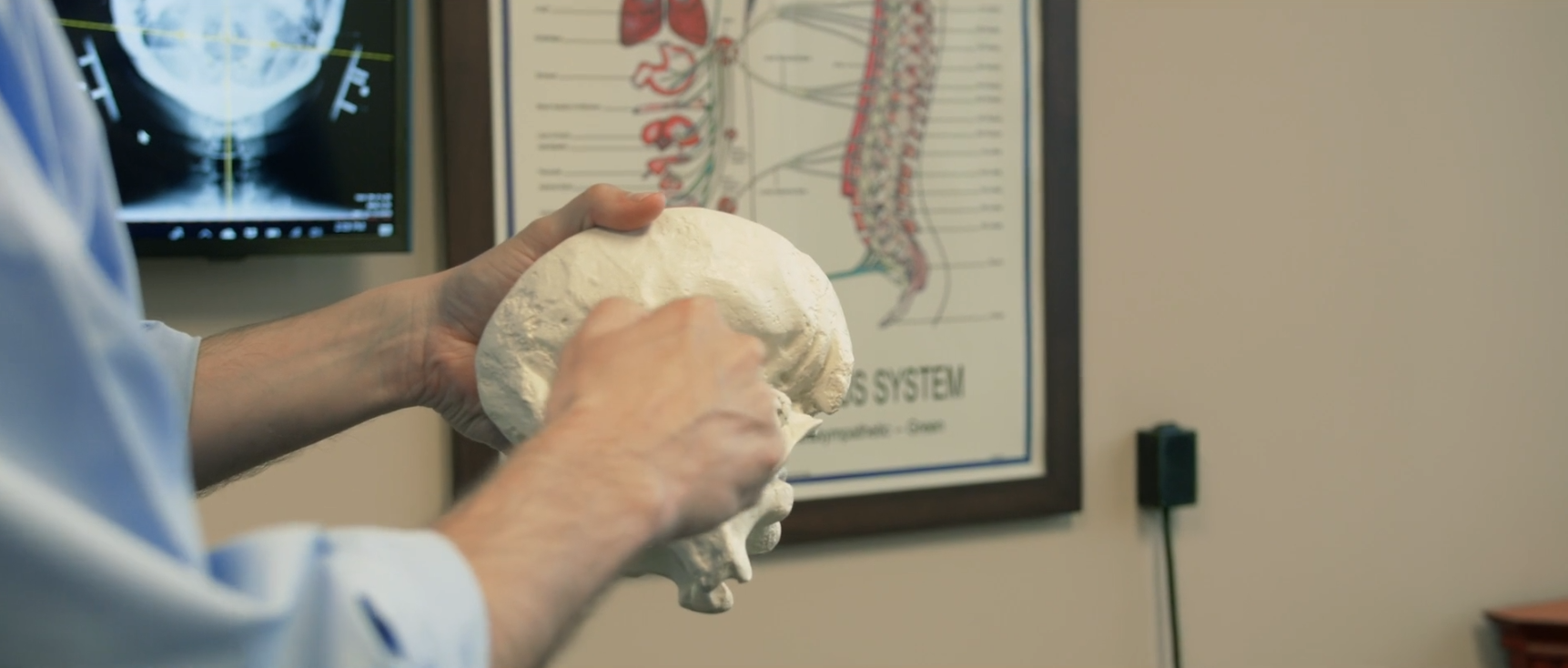
NUCCA (National Upper Cervical Chiropractic Association) is a specialized form of chiropractic care that focuses on the precise alignment of the head and upper neck, the atlas (C-1 vertebra). This area is unique because it supports the weight of the head and protects the brainstem, which is responsible for regulating many essential body functions.
NUCCA care focuses on the very top of the neck because this area has a major influence on balance, posture, and how your body responds to stress.
Instead of chasing pain from one area to another, this approach looks at how your head, neck, and body are working together. When alignment improves and the nervous system isn’t under constant strain, the body often starts to calm down and function more smoothly.
Gentle — no twisting, cracking, or force
Specific — focused on one key area instead of adjusting everything
Stable — fewer, more intentional corrections rather than constant adjustments
Sustainable — aimed at long-term balance, not short-term relief
Copyright: all rights reserved by NUCCA and C-1 Film Productions Corp. 2024
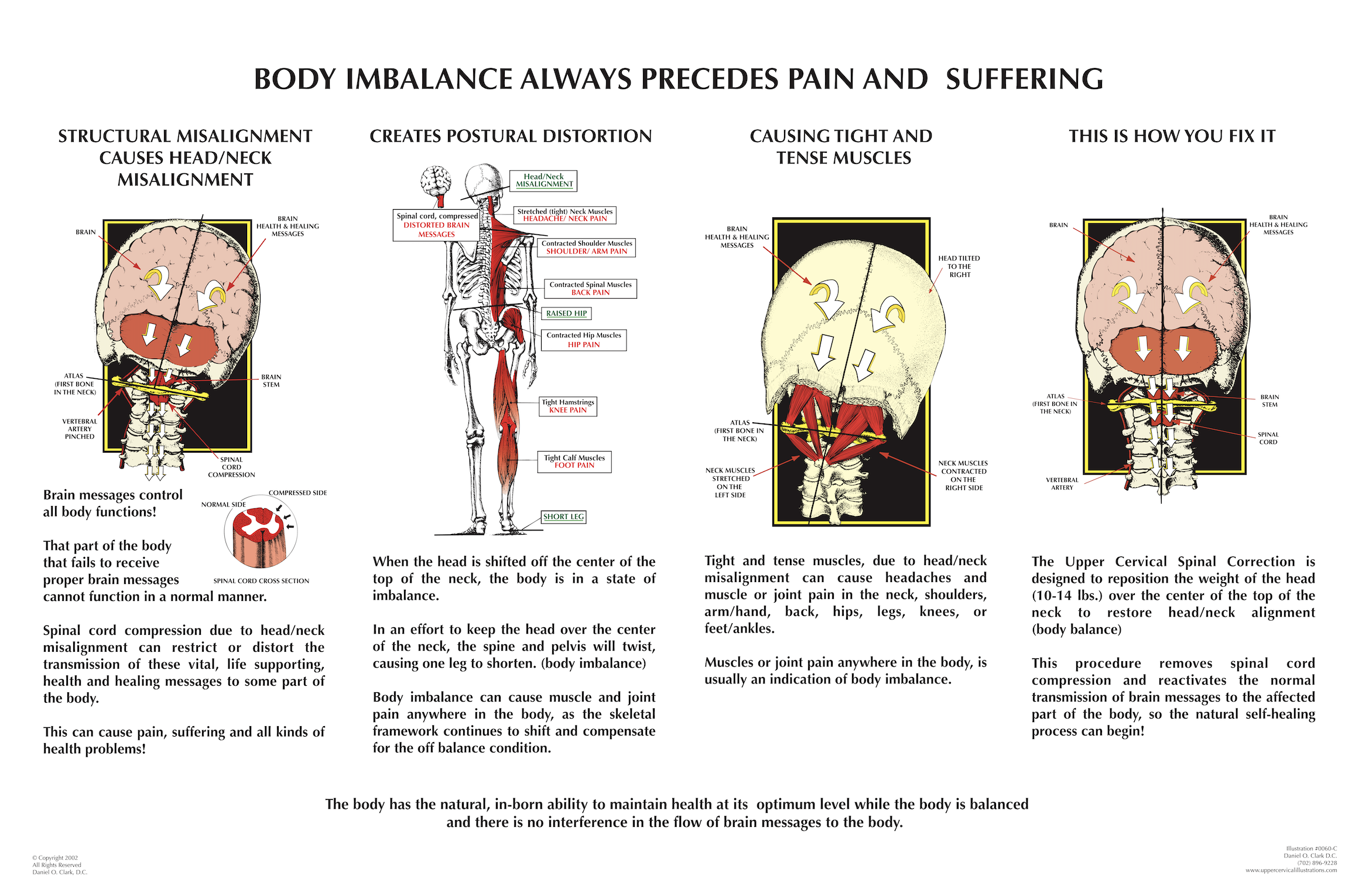
Reprinted with permission from Daniel O. Clark, D.C. Copyright 2022 www.uppercervicalillustrations.com
Common symptoms people benefit from my NUCCA Care+
When the head and upper neck are even slightly out of alignment, the body often has to compensate. Over time, that strain can show up as things like:
Head and Neck:
- Ongoing neck pain or stiffness
- Neck pain that travels down to shoulder and arm
- Numbness, tingling, and burning sensation in the face or arms.
- Feeling “off,” unbalanced, or not quite right in their body
- Headaches, migraine, head pressure [Read]
- Pressure in your eye or eyes, pain behind the eye.
- Jaw tension or TMJ discomfort, bite issue.
- Dizziness, vertigo, loss of balance, disequilibrium [Read]
- Fullness in the head, and the head feels heavy
Low back:
- Low back pain with or without leg pain
- Tingling, numbness, burning sensation in the legs, buttocks, behind thighs
- Leg cramping
- Frequent muscle spasms in the lower back
- Poor posture, body imbalance, hard to sit or stand straight for a long time
- Uneven hips and shoulders causing short leg on one side
- Posture swaying and distortion
- Unbalanced gait
For many people, these symptoms don’t come from one big injury. They build up slowly.